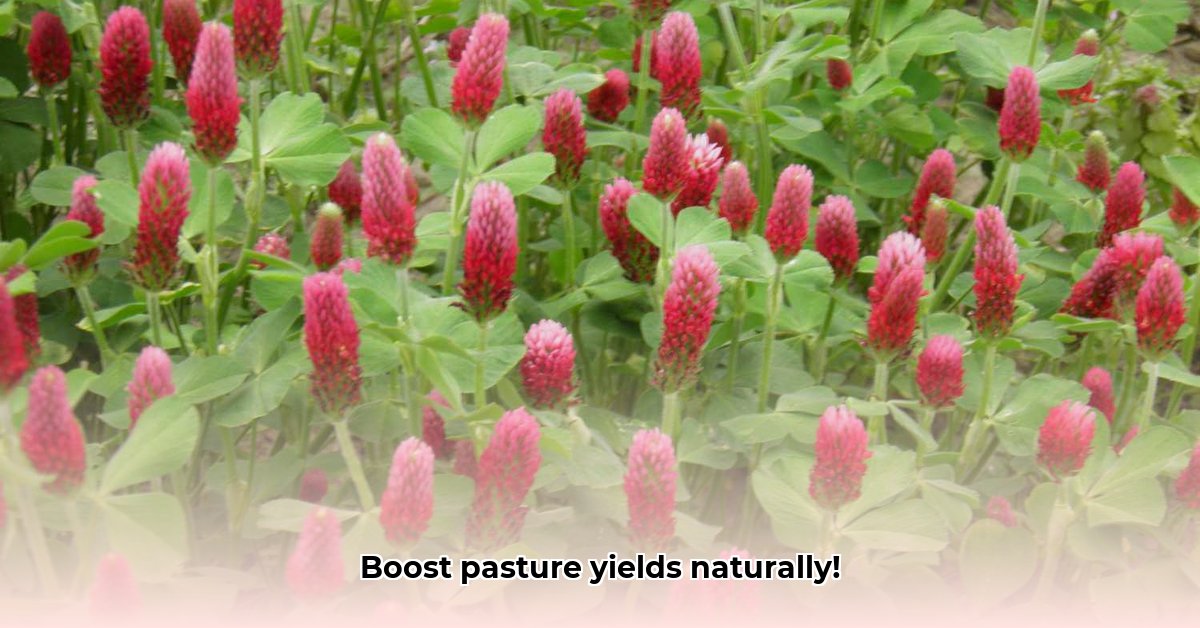
Choosing the right crimson clover seed can significantly impact your pasture's productivity and sustainability. Tractor Supply offers various options, including DLF K31 Pasture Booster and Barenbrug K31 Plus, but a direct comparison proves difficult due to the limited publicly available data. For other farm supply needs, check out Tractor Supply prices. This guide empowers you to make an informed decision by focusing on your farm's specific needs.
Understanding K31 Crimson Clover: A Foundation for Sustainable Pastures
K31 crimson clover is a popular choice for sustainable agriculture, renowned for its nitrogen-fixing capabilities (meaning it naturally enriches the soil, reducing the need for synthetic fertilizers). Its drought tolerance adds resilience, especially in unpredictable weather conditions. This clover also boasts good palatability for livestock, promoting better animal health and productivity. However, remember that optimal clover selection hinges on your unique conditions.
Choosing the Best Clover for Your Farm: A Step-by-Step Guide
Direct comparison between specific brands is difficult due to information scarcity. Instead, prioritize these key factors to determine the best crimson clover for your farm.
Step 1: Assess Your Farm's Unique Conditions
- Soil Type: What type of soil do you have? (e.g., sandy, clay, loam). K31 clover generally prefers well-drained soils but specific needs may vary.
- Climate: What's your hardiness zone? This determines the clover variety's ability to withstand your region's winters.
- Pasture Goals: What are your objectives? Maximizing yield? Improving forage quality? Different clovers offer different strengths.
Step 2: Budgetary Considerations:
Seed cost per acre is crucial, but factor in long-term costs: fertilizer requirements, weed control, and potential reseeding expenses. A slightly higher initial investment might pay off long-term. Don't just look at the upfront cost.
Step 3: Seek Detailed Technical Data
Don't rely solely on product descriptions. Contact DLF, Barenbrug, and Tractor Supply directly. Request detailed technical specifications, including germination rates, purity levels, and yield data from independent trials. This additional information allows for a truly data-driven decision. This proactive step ensures accuracy.
Step 4: Conduct Small-Scale Field Trials
The most effective way to determine the best clover for your farm is through a small-scale trial. Here's a simple approach:
- Site Selection: Choose a representative area with consistent soil and sunlight.
- Plot Division: Divide the area into equal-sized plots.
- Planting: Sow each clover variety (including your Tractor Supply options) in a separate plot.
- Consistent Management: Ensure all plots receive identical care (watering, fertilization, etc.).
- Monitoring and Measurement: Regularly monitor growth, yield, and overall health, recording your findings meticulously.
- Analysis: After the growing season, compare the results to determine which clover performed best under your conditions.
Step 5: Leverage External Resources
Utilize your local agricultural extension service and university research departments. They often offer valuable insights and best practices tailored to your region. This additional expertise adds confidence to your choices.
Conclusion: Building a Sustainable Pasture System
Making the best crimson clover choice involves careful consideration of your unique conditions, a proactive approach to gathering data, and a willingness to experiment. By following these steps, you'll be well-equipped to build a thriving, sustainable pasture system. Remember, responsible data collection and analysis are essential for long-term success. Consistent monitoring and planning are key.